Housing Strategy
The Community's Future Vision
— Bar Harbor 2035 Comprehensive Plan
Overcoming Challenges
There are many obstacles to overcome to reach our housing goals, but we must ensure our town remains a thriving community. There are many solutions to address these difficult and complicated issues. These solutions will involve a balanced approach comprising of a variety of factors to ensure all bases are accounted for. Below are some questions to start addressing these complicated issues, which will be utilized to frame the three primary housing strategies.
- With limited developable land, how and where can we change zoning regulations to allow and incentivize more housing of all types?
- With limited public infrastructure, how and where should we prioritize infill residential growth? What are the suitable types of housing to incentivize in the different areas of town?
- As the cost of living increases and the cost of construction remains high, how might we change zoning or offer incentives to make it more affordable to built attainable housing for a variety of household incomes?
- As the seasonal and year-round housing needs occasionally conflict, how can we equitably support the preservation and production of year-round options while also providing and allowing options for seasonal workers in order to ensure a prosperous economy and community where a variety of people want to live and work?
- With limited town revenue, how can we incentivize housing to benefit current and prospective residents without putting undue burden on taxpayers, especially households on fixed incomes.
The strategies below aim to address these questions.
Strategies
The strategies below are described in the Housing Policy Framework and Bar Harbor 2035 Comprehensive Plan.
1. Set clear targets for the number and type of housing needed.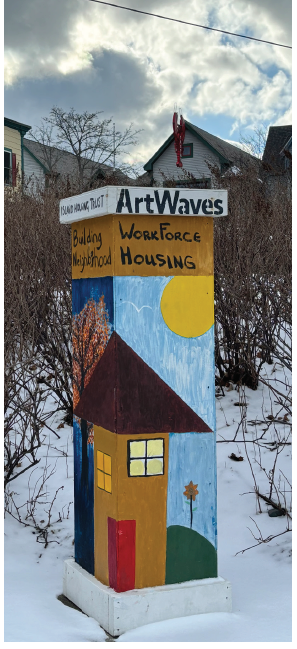
It is critical that the community work together to set targets for a range of new housing unit types, and then track and report on the progress made.
These targets could include projected annual increases in the following areas: housing stock, the percent of employees who live and work in Bar Harbor, housing price points, household incomes, number of bedrooms, mortgage and rent affordability gaps, and the percent of year-round-occupied housing units. This work will be informed by the Bar Harbor Housing Analysis among other housing reports.
Such an initiative will help the town understand the number of rental units and homes needed at various price levels to meet projected demands.
2. Research and implement regulatory and non-regulatory housing solutions.
Investigating potential housing policies, programs, funding mechanisms, and incentives that help to maintain the existing year-round housing stock and generate new units is a core goal for Bar Harbor’s housing future.
Once targets are determined, given the complexity of the issue, the actions to take will likely encompass regulatory changes and non-regulatory initiatives.
Potential regulatory actions could encourage businesses to build new units for their seasonal workforce, decrease and/or eliminate inspection fees and permit fees for certain types of housing, and might offer incentives to owners of existing seasonally occupied dwelling units if they transition them into year-round rental units.
A potential non-regulatory initiative will include ensuring strong partnerships with housing organizations to develop new affordable housing units
3. Collaborate with regional partners to increase the available housing stock.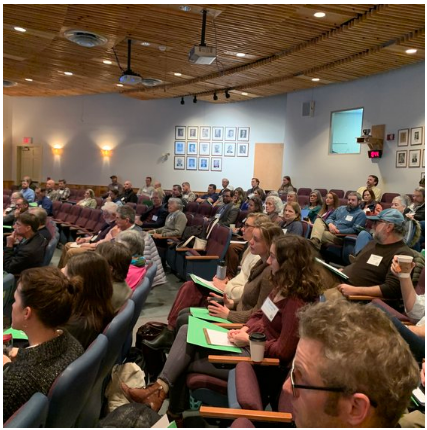
Ongoing collaboration with regional partners on and off Mount Desert Island will support and build on each other’s efforts to meet the shared goal of increasing the quantity and variety of available housing.
This regional collaboration should be guided by the implementation actions identified at the 2023 MDI Housing Solutions Summit, at future regional housing summits, and through related efforts that come out of the MDI Housing Solutions Initiative.
The ultimate goal is to create a balanced housing market that provides housing options affordable to all incomes across the region.
[Right photo credit to MDI Housing Solutions Initiative]